


Breast Lift (Mastopexy) to Correct Sagging Breasts and Restore Confidence

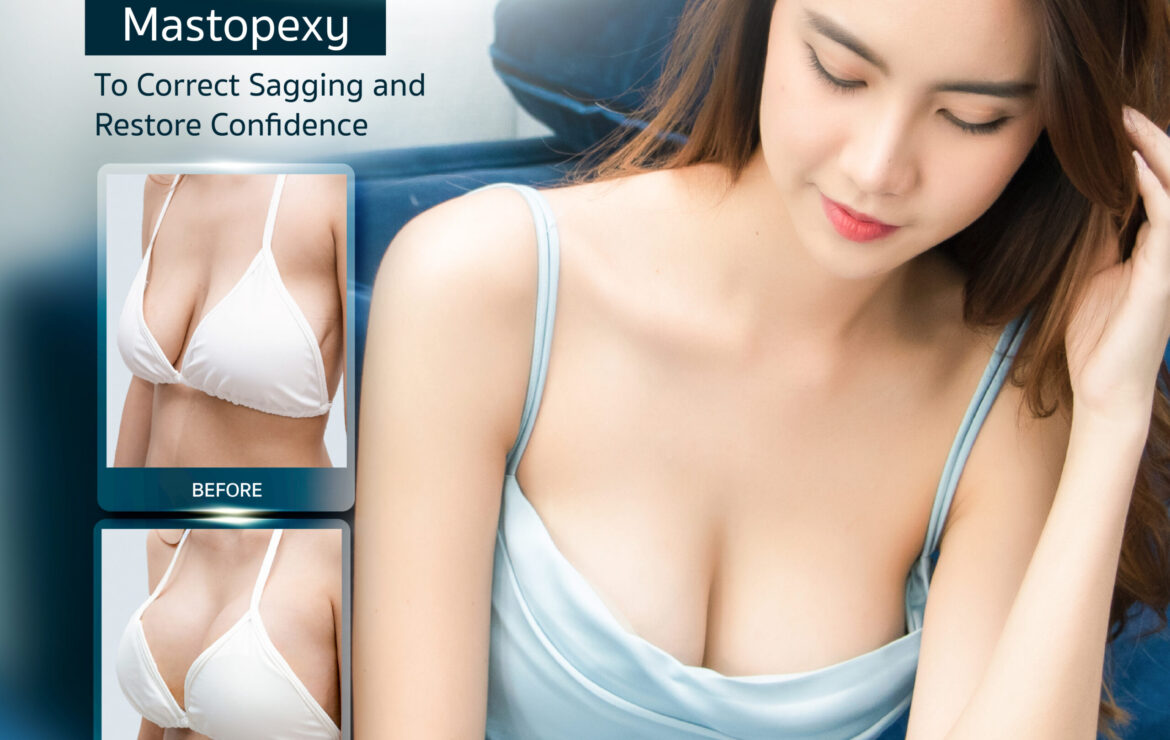
Pregnancy and significant weight changes can cause previously firm breasts to sag and lose elasticity. Breast lift surgery corrects this concern by removing excess skin and reshaping the breasts to create a more attractive contour. The procedure may also be performed with breast implants to enhance fullness and firmness. Implants can help support and maintain the new breast shape for longer-lasting results.
Key Takeaways
- A Breast Lift (Mastopexy) is surgery to correct sagging breasts or reduce breast size while improving breast shape and position.
- Breast lift surgery primarily addresses sagging and loss of elasticity caused by pregnancy, weight loss, or aging.
- Popular breast lift techniques include Periareolar Mastopexy, Lollipop Mastopexy, Anchor Mastopexy, and the Soft-Touch Breast technique.
Table of Contents
- What Is a Breast Lift?
- What Causes Breast Sagging?
- What Are the Different Grades of Breast Ptosis?
- Breast Lift Surgery Procedure
- Breast Lift Techniques and Incision Patterns
- Preparing for Breast Lift and Breast Reduction Surgery
- Breast Lift Aftercare
- Possible Risks and Complications
- Breast Lift vs. Breast Revision Surgery
- Why Choose Dermaster Hospital for Breast Lift Surgery?
- How Much Does Breast Lift Surgery Cost?
- Patient Results
- Frequently Asked Questions About Breast Lift Surgery
What Is a Breast Lift?
A Breast Lift, also known as Mastopexy, is a surgical procedure that corrects sagging breasts and may reduce breast size to improve breast shape and elevate the breast position. Its primary purpose is to address breast sagging and loss of elasticity, which commonly occur after pregnancy, weight loss, or aging.
The technique used depends on each patient’s breast characteristics. Treatment may involve removing excess skin, repositioning the nipples, performing a breast lift without implants, or combining the lift with breast augmentation to increase fullness and firmness. At Dermaster Hospital, the Soft-Touch Breast technique focuses on achieving a soft, natural feel and movement that follows the body’s anatomy.
What Causes Breast Sagging?
Breast sagging occurs naturally as the skin and supporting ligaments lose elasticity. Other contributing factors include:
- Aging: Reduced collagen and elastin can cause the skin and breast-supporting tissues to become less firm.
- Pregnancy and breastfeeding: The breasts enlarge during pregnancy and may decrease in size after childbirth or weaning, leaving stretched skin.
- Major weight changes: Repeated stretching and shrinking of the skin can reduce firmness.
- Genetics: Breast shape, size, skin quality, and tissue strength may be inherited.
- Smoking: Chemicals in cigarettes can accelerate collagen and elastin breakdown.
- Menopause: Reduced estrogen levels may change breast tissue and contribute to loss of firmness.
What Are the Different Grades of Breast Ptosis?
Assessing the degree of breast sagging is important when planning Breast Lift surgery. Breast ptosis is generally classified into four grades:
- Grade 0 — Normal: The nipple is centered on the breast, points forward, and there is no sagging.
- Grade 1 — Mild: The breast and nipple begin to descend slightly but remain above the inframammary fold.
- Grade 2 — Moderate: The nipple is noticeably below the inframammary fold, with moderate breast sagging.
- Grade 3 — Severe: The breast is significantly drooped, and the nipple is far below the inframammary fold, possibly near the upper abdomen.
This grading system helps the surgeon select the most suitable Breast Lift technique and develop a treatment plan that matches the patient’s goals.
Breast Lift Surgery Procedure
Breast Lift surgery helps tighten sagging breasts and improve their shape. The procedure generally includes:
- Evaluating breast size and the degree of sagging to plan the surgery.
- Fasting for 6–8 hours before surgery.
- Administering general anesthesia.
- Making the incisions, adjusting the breast tissue, and lifting the breasts and nipples. Implants may be inserted if included in the treatment plan.
- Removing excess skin, tightening the breast tissue, and carefully closing the incisions.
- Applying elastic bandages and a supportive surgical bra.
- Following the surgeon’s instructions, taking prescribed medication, and avoiding strenuous activities.
Breast Lift Techniques and Incision Patterns
Several Breast Lift techniques are available. The appropriate technique depends on the degree of sagging and the desired result.
- Periareolar Mastopexy
This technique is suitable for mild breast sagging. The incision is made around the areola, but it may not be appropriate for significant sagging.
- Lollipop Mastopexy
Also known as Vertical Mastopexy, this technique is suitable for moderate breast sagging. The incision extends around the areola and vertically downward, creating a lollipop shape. It provides effective lifting and improved breast shaping.
- Anchor Mastopexy
This technique is suitable for severe breast sagging. It provides significant lifting and reshaping, but creates a more noticeable inverted-T or anchor-shaped scar.
- Soft-Touch Breast Technique
The Soft-Touch Breast technique is an option for patients who want breast augmentation and lifting at the same time. It is designed to provide a natural appearance, soft feel, and natural movement. The surgeon customizes the implant and breast shape to suit each patient’s anatomy, helping create smooth, natural-looking breasts without a rigid or artificial appearance. According to the treatment plan, postoperative breast massage may not be required.
Breast Lift (Mastopexy) is best suitable to whom?
- New mothers in the postpartum period. During pregnancy, the breast tissue expands to prepare for breastfeeding, and after nursing ends, the breasts may not return to their original shape — resulting in sagging or an elongated appearance.
- Individuals experiencing age-related breast sagging.
- Individuals who have undergone significant or rapid weight loss.
- Individuals whose nipples sit lower than their natural anatomical position.
- Individuals who have had breast implants for an extended period of time.
- Those with a genetic predisposition to breast sagging.
- External factors, such as smoking or insufficient use of a supportive bra, which can contribute to breast sagging over time.
Proper preparation can support a smoother recovery and better results:
Proper preparation before breast lift or breast reduction surgery plays an important role in both the surgical outcome and the recovery process. Patients should prepare as follows:
- Discontinue vitamin A acne medication (Isotretinoin) to allow the surgical wound to heal properly.
- Exercise regularly, get adequate rest, and undergo a health check-up to confirm the body is ready for surgery.
- Treat and control any underlying medical conditions, and undergo a mammogram if at higher risk.
- Avoid smoking, alcohol, and fermented foods to reduce the risk of unwanted side effects.
- Strictly avoid medications that affect blood clotting.
Post-Operative Care After Breast Lift Surgery
After breast lift surgery, patients should follow these guidelines:
- Wear a post-surgical bra or supportive garment as recommended by the physician to help support the breasts, reduce swelling, and allow the breast shape to settle properly.
- Get adequate rest. During the first 1–2 weeks, avoid strenuous activity and allow the body sufficient time to recover fully.
- Sleep on your back with your head slightly elevated. This position helps reduce swelling, minimizes pressure on the surgical site, and promotes proper wound healing.
- Avoid lifting heavy objects or engaging in strenuous exercise for at least 4–6 weeks, or as advised by the physician, to reduce the risk of wound dehiscence or bleeding.
- Take all medications strictly as prescribed, including pain relievers, antibiotics, and other medications. Do not discontinue any medication without medical advice.
- Keep the surgical wound clean and dry, follow proper wound care instructions, and avoid unnecessary scratching or touching of the wound.
- Avoid smoking and alcohol, as they can slow wound healing, increase the risk of infection, and affect the surgical outcome.
- Eat a nutritious diet, particularly foods rich in protein, vitamin C, and zinc, to support tissue repair and wound healing.
- Avoid bathing or soaking in water beyond the physician’s restrictions until the wound has fully healed, to reduce the risk of infection.
- Watch for abnormal symptoms such as increased redness and swelling, pus discharge, persistent bleeding, fever, or unusually severe pain. Contact your physician immediately if any of these occur.
- Attend all follow-up appointments so the physician can monitor recovery, assess wound healing, and provide guidance on safely resuming daily activities.
- Care for the scar once the wound has fully closed. Scar-reducing products may be used as recommended by the physician, and the scar should be protected from direct sunlight to help it fade over time.
What Are the Risks and Potential Complications After Breast Augmentation?
Breast augmentation, breast lift, and breast revision surgery are all safe procedures when performed by a qualified plastic surgeon at an accredited medical facility. However, patients should be aware of the following potential risks and complications:
- Swelling, bruising, and pain after surgery are common in the initial period and typically improve gradually within a few weeks.
- Bleeding or hematoma (blood clot accumulation): if excessive bleeding occurs, additional treatment or surgery may be required.
- Infection: although uncommon, infections that do occur may require antibiotic treatment or, in some cases, additional surgical intervention.
- Scarring: scars will gradually fade over time, though their final appearance depends on post-operative care, surgical technique, and individual healing response.
- Changes in nipple or breast sensation: patients may experience numbness or increased sensitivity, which usually improves over time, though in some cases it may persist longer.
Choosing an experienced surgeon, following pre- and post-operative instructions, and attending all scheduled follow-up appointments can help reduce the risk of complications and improve the likelihood of a successful outcome.
Is a Breast Lift Different From Breast Revision Surgery?
Although breast lift and breast revision surgery both involve procedures on the breast, the two differ in purpose and technique, as follows:
1. Breast Lift (Mastopexy)
A breast lift is a surgical procedure designed to correct sagging breasts. The surgeon repositions the breast tissue and nipple to a higher position and removes excess skin, restoring a firmer, better-defined breast shape. This procedure is suitable for individuals experiencing breast sagging due to aging, pregnancy, breastfeeding, or changes in body weight.
2. Breast Revision Surgery
Breast revision surgery is performed to correct the outcome of a previous breast surgery, such as breast deformity, capsular contracture (implant hardening due to scar tissue), implant leakage or rupture, implant displacement, or asymmetry in size or shape. It may also be performed for patients who wish to change their implant size — increasing or decreasing it — or switch to a different type of implant.
3. Can a Breast Lift and Breast Augmentation Be Performed at the Same Time?
Yes, a breast lift and breast augmentation can be performed together in a single procedure. This combined approach addresses breast sagging while simultaneously increasing breast volume and fullness. It is well suited for individuals with sagging breasts resulting from pregnancy, breastfeeding, or weight loss. The surgeon will assess breast condition, skin elasticity, and individual goals to plan the most appropriate procedure for the safest and most aesthetically pleasing results.
Why Choose Breast Lift Surgery at Dermaster Hospital
Breast lift surgery (mastopexy) is a medical procedure that restores a firmer, more balanced shape to sagging breasts. Surgeons select the surgical technique best suited to each patient’s degree of sagging.
At Dermaster Hospital, procedures are performed by surgeons certified by the Thai Medical Council using the Soft-Touch Breast technique, in a sterile operating room with an anesthesiologist present throughout the procedure to ensure patients experience no pain or anxiety. Patients also receive close post-operative care from professional nurses, supported by modern equipment and comfortable, fully equipped recovery rooms. A pre-operative consultation with the physician is essential for a thorough health assessment and the most suitable treatment plan.
Those interested in breast surgery with Dr. Teera or Dr. Bua are welcome to schedule a consultation for a detailed design and price assessment, ensuring results that best match their goals.
How Much Does a Breast Lift Cost?
At Dermaster Hospital, breast lift programs start from 100,000 THB, which reflects the standard pricing typically found at leading breast surgery hospitals. However, pricing for breast lift programs may vary between providers depending on the following factors:
- Degree of breast sagging
- Surgical technique selected
- Whether the procedure is a lift alone or combined with breast augmentation
- The surgeon’s experience
- Hospital and operating room standards
- Surgeon’s fee, anesthesiologist’s fee, and post-operative care costs
- Promotions or packages offered by each hospital
Frequently Asked Questions About Breast Lift Surgery
1. What Is the Difference Between Surgical and Non-Surgical Breast Lift?
Surgical breast lift involves incisions to remove excess skin, producing clearer and more permanent results, though recovery takes longer. Non-surgical breast lift involves no incisions and uses muscle stimulation instead, offering more modest results that last for a shorter period.
2. How Long Do Breast Lift Results Last?
Results typically last around 5–10 years, depending on individual factors such as age, weight, and personal aftercare.
3. Can a Breast Lift Be Combined With Breast Augmentation?
Yes, a breast lift can be performed together with breast augmentation to correct both size and shape simultaneously, achieving a result that is both fuller and firmer.
4. Will Breast Lift Scars Be Noticeable?
Breast lift surgery may result in scarring, but incisions are placed in less visible areas, such as around the areola or along natural skin folds. Scars gradually fade with proper aftercare, such as massage, silicone sheets or gel, sunscreen application, or the use of camouflage cosmetics.
5. When Can I Exercise After a Breast Lift?
Light exercise can typically resume around 4 weeks after surgery. However, strenuous exercise involving the chest muscles should be avoided until full recovery is achieved.
Related posts



Add Line@

Popular Posts


Breast Lift (Mastopexy) to Correct Sagging Breasts and Restore Confidence


Top 8 Things You Shouldn’t Do Right After Botox Treatment

3 Steps to Finally Answer This Question: What Is My Face Shape?